En la materia de IA podrás aprender algúna de las cosas que nuestro ilustre matemático nos cuenta aquí:
martes, 4 de agosto de 2026
jueves, 20 de febrero de 2025
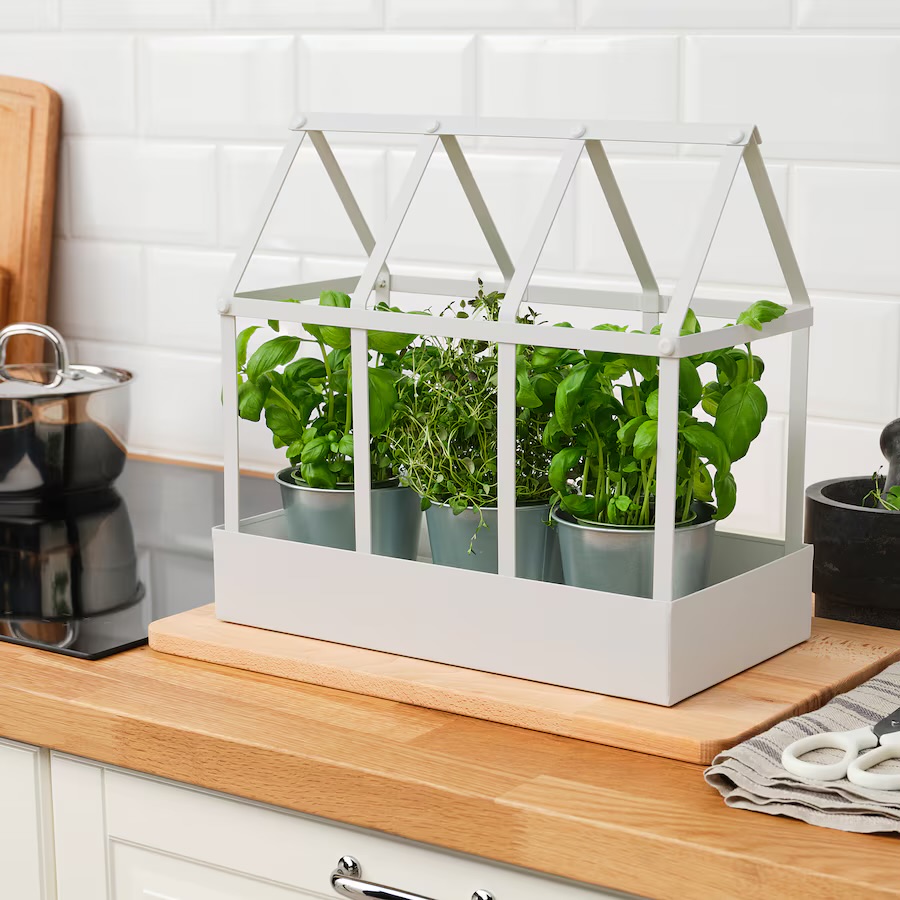
DESIGN AND CONSTRUCTION OF A GREENHOUSE MODEL
PROBLEM STATEMENT
We need to maintain plants under conditions different from the natural environment in terms of temperature and humidity. To achieve this, design and build a greenhouse model capable of controlling these two conditions:
- Temperature: The greenhouse should have manually or mechanically operated structural elements (roof, walls, windows, etc.) that allow ventilation.
- Humidity:A watering system for the plants, including a water reservoir and pipes.
- Artificial Lighting (optional): Lamps can be installed on the roof beams.
SOLUTION DESIGN
Before starting the design, it is necessary to answer the following questions:
- What will be the shape of the greenhouse?
- What dimensions will it have?
- How will the different elements be joined to achieve the final shape?
The student must determine these aspects, but the following mandatory considerations must be taken into account:
- The greenhouse structure must not exceed 30 cm in height and must be placed on a chipboard or MDF base no larger than 30x40 cm
- The beams and columns must be made of wooden strips.
- The structure must have at least one movable part (roof, side panels, door, etc.).
- The roof must be sloped and can be either gable, single-pitch, or tunnel-shaped.
- A water reservoir (plastic container) should be placed on a wooden strip structure or similar.
- Inside the greenhouse, a watering system using plastic pipes must be installed.
- Materials for the structure: Chipboard, plywood, MDF, wooden strips, thick wire (for tunnel roofs), plastic sheeting, nails, staples, etc.
- Materials for the watering system: Plastic pipes and a water reservoir (such as a bottle or similar container).
- Other materials: Pulleys, belts, battery, lamps, wires, switch, etc.
miércoles, 1 de enero de 2025
TAREA DE NAVIDAD
viernes, 5 de abril de 2024
miércoles, 3 de abril de 2024
martes, 26 de marzo de 2024
Catalogación de recursos digitales
martes, 28 de febrero de 2023
Solar Photovoltaic Technology Basics
What is photovoltaic (PV) technology and how does it work? PV materials and devices convert sunlight into electrical energy. A single PV device is known as a cell. An individual PV cell is usually small, typically producing about 1 or 2 watts of power. These cells are made of different semiconductor materials and are often less than the thickness of four human hairs. In order to withstand the outdoors for many years, cells are sandwiched between protective materials in a combination of glass and/or plastics.
To boost the power output of PV cells, they are connected together in chains to form larger units known as modules or panels. Modules can be used individually, or several can be connected to form arrays. One or more arrays is then connected to the electrical grid as part of a complete PV system. Because of this modular structure, PV systems can be built to meet almost any electric power need, small or large.
PV modules and arrays are just one part of a PV system. Systems also include mounting structures that point panels toward the sun, along with the components that take the direct-current (DC) electricity produced by modules and convert it to the alternating-current (AC) electricity used to power all of the appliances in your home.
The largest PV systems in the country are located in California and produce power for utilities to distribute to their customers. The Solar Star PV power station produces 579 megawatts of electricity, while the Topaz Solar Farm and Desert Sunlight Solar Farm each produce 550 megawatts.
Fuente:Office of Energy Efficiency & Renewable Energy