Menú

jueves, 20 de febrero de 2025

DESIGN AND CONSTRUCTION OF A GREENHOUSE MODEL

PROBLEM STATEMENT

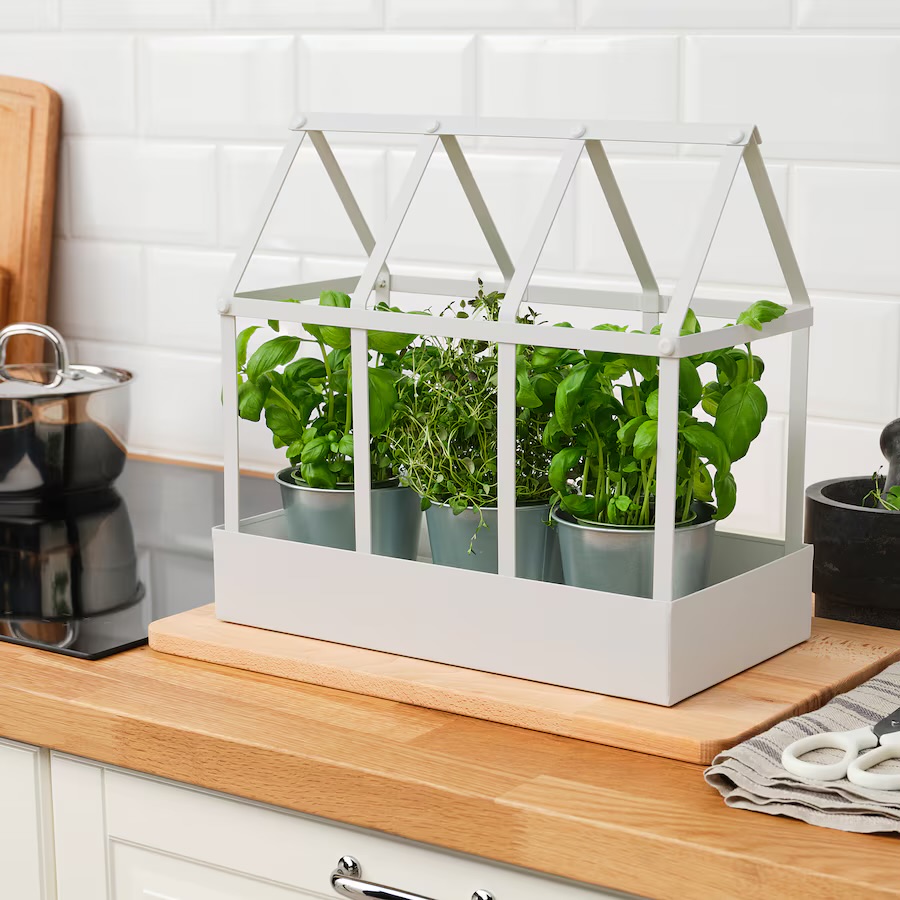
We need to maintain plants under conditions different from the natural environment in terms of temperature and humidity. To achieve this, design and build a greenhouse model capable of controlling these two conditions:  

- Temperature: The greenhouse should have manually or mechanically operated structural elements (roof, walls, windows, etc.) that allow ventilation.  

- Humidity:A watering system for the plants, including a water reservoir and pipes.  

- Artificial Lighting (optional):  Lamps can be installed on the roof beams.  

SOLUTION DESIGN

Before starting the design, it is necessary to answer the following questions:  

- What will be the shape of the greenhouse?

- What dimensions will it have?

- How will the different elements be joined to achieve the final shape?

The student must determine these aspects, but the following mandatory considerations must be taken into account:  

- The greenhouse structure must not exceed 30 cm in height and must be placed on a chipboard or MDF base  no larger than 30x40 cm

- The beams and columns must be made of  wooden strips.

- The structure must have at least one  movable part (roof, side panels, door, etc.).

- The roof must be  sloped  and can be either  gable, single-pitch, or tunnel-shaped.


- A water reservoir (plastic container) should be placed on a wooden strip structure or similar.  

- Inside the greenhouse, a  watering system using plastic pipes  must be installed.  

REQUIRED MATERIALS 

- Materials for the structure: Chipboard, plywood, MDF, wooden strips, thick wire (for tunnel roofs), plastic sheeting, nails, staples, etc.  

- Materials for the watering system: Plastic pipes and a water reservoir (such as a bottle or similar container).  

- Other materials: Pulleys, belts, battery, lamps, wires, switch, etc.


miércoles, 1 de enero de 2025

TAREA DE NAVIDAD


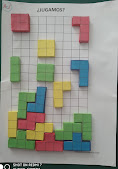
  • Construir las figuras del TETRIS en papel (3D). Deben estar las cinco figuras básicas (como mínimo)
  • Construir una caja diseñada para guardar las piezas anteriormente construidas
  • Fotografiar el proceso de construcción de la caja y las figuras del TETRIS. (Estas fotos se usarán en un posterior trabajo)
  • Realizar en vuestro cuaderno la planta, alzado y perfil de las figuras del TETRIS (opcional)

  • .


    viernes, 5 de abril de 2024

    Ley de OHM- Recurso de apoyo

    martes, 26 de marzo de 2024

    Catalogación de recursos digitales

    Catalogación de ciertos recursos digitales
    Ver artículo en la Web IES Parque de Monfragüe

     Paso 1. EJEMPLO DE Sistema de Catalogación hecho con Google Sheets.
    Guía para la Gestión Ética y búsquedas en internet de forma eficiente, respetando las licencias de uso y catalogando los recursos encontrados en una plataforma de almacenamiento y organización. 
    Contenido:
     a) Estrategias de Búsqueda en Internet:

     b) Respetar las Licencias de Uso
    c) Catalogación de Recursos:

    martes, 28 de febrero de 2023

    Solar Photovoltaic Technology Basics

    '

    What is photovoltaic (PV) technology and how does it work? PV materials and devices convert sunlight into electrical energy. A single PV device is known as a cell. An individual PV cell is usually small, typically producing about 1 or 2 watts of power. These cells are made of different semiconductor materials and are often less than the thickness of four human hairs. In order to withstand the outdoors for many years, cells are sandwiched between protective materials in a combination of glass and/or plastics.

    To boost the power output of PV cells, they are connected together in chains to form larger units known as modules or panels. Modules can be used individually, or several can be connected to form arrays. One or more arrays is then connected to the electrical grid as part of a complete PV system. Because of this modular structure, PV systems can be built to meet almost any electric power need, small or large.

    PV modules and arrays are just one part of a PV system. Systems also include mounting structures that point panels toward the sun, along with the components that take the direct-current (DC) electricity produced by modules and convert it to the alternating-current (AC) electricity used to power all of the appliances in your home.

    The largest PV systems in the country are located in California and produce power for utilities to distribute to their customers. The Solar Star PV power station produces 579 megawatts of electricity, while the Topaz Solar Farm and Desert Sunlight Solar Farm each produce 550 megawatts.

    Fuente:Office of Energy Efficiency & Renewable Energy

    jueves, 11 de junio de 2020

    Diseño 3D. Impresora 3D. Kinect y un Proyecto Lingüístico

    Como parte del Proyecto Lingüíistico de Centro "Tras la Pista" del IES Parque de Monfragüe el departamento de Tecnología proyectó diseñar los personajes y objetos en 3D que serían usados en juegos estilo Cluedo.
    En esta primera etapa aprendemos a escanear de la realidad con un sensor Kinect, y el software KScan 3D para después exportarlo a la utilidad de la impresora 3D.
    Los personajes humanos serán impresos en 3D en una nueva etapa (como base de juegos de rol. El juego también necesitaba de objetos, por ello también escaneamos martillos, pistolas, sierras para ser usados como parte del mismo juego partiendo de objetos reales o diseñados desde el origen (dados) con el programa de Autodesk. Finalizando con MeshMixer deAdobe
    Diseño 3D. Impresora 3D. Kinect

    martes, 12 de mayo de 2020

    Como organizar un Instituto Virtual: IES Parque de Monfragüe

    Este diseño de centro se realizó en el IES Parque de Monfragüe durante el periodo de alerta por motivo del COVID19. Se  implementó un centro virtual paralelo para continuar con el funcionamiento de los distintos órganos de gobierno del centro y para la coordinación de los mismos, así como mantener actualizada la información a las familias de las tareas semanales. Se usó la plataforma de Educarex basada en GSuite

    Libre Office: Budget - Presupuesto

    Download files from your Classroom

    First Steps with Crocodile /Primer circuito

    Downloading Crocodile in Educarex


    domingo, 15 de septiembre de 2019

    LibreCad Tecnología 3 ESO

    Here I will show the different tasks you have to deliver next week. Remember to share your folders via Drive with your teacher.
    Dead line --->  Friday: 18 /01/2019.          -  Click on each figure to magnify -


    FIGURA 1  (Mandatory)


    FIGURA 2 (Mandatory)
    FIGURA 3 (Mandatory)


    FIGURA 4 (Optional)


    (OPTIONAL) If you  finished THEN .... this challenge is for you
    (try it, itś not so difficult as it seems!)


    If you need help with Libre CAd visit this YouTube link